
Actions

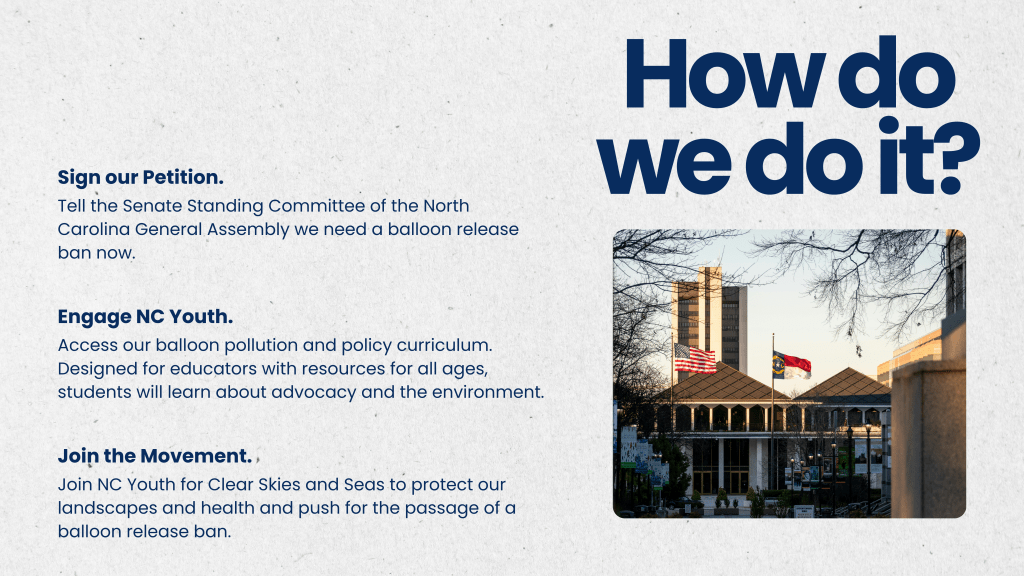
Petition
Add your name to support the ban of balloon releases.
Curriculum
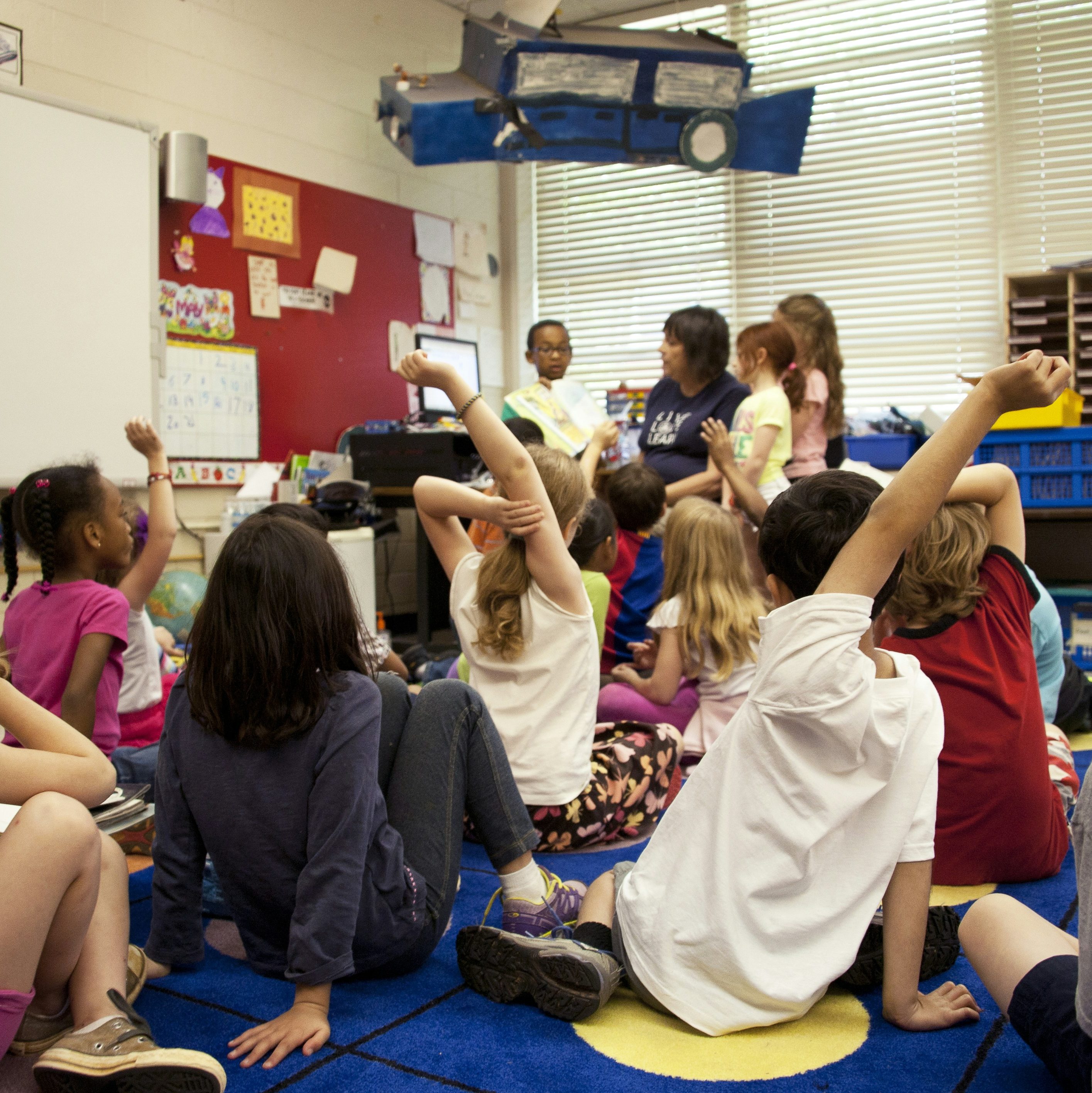
Teach elementary, middle, and high school students about pollution and advocacy.

Host an Event
Bring our experts to you in-person in the Triangle, or over video anywhere.




Sources
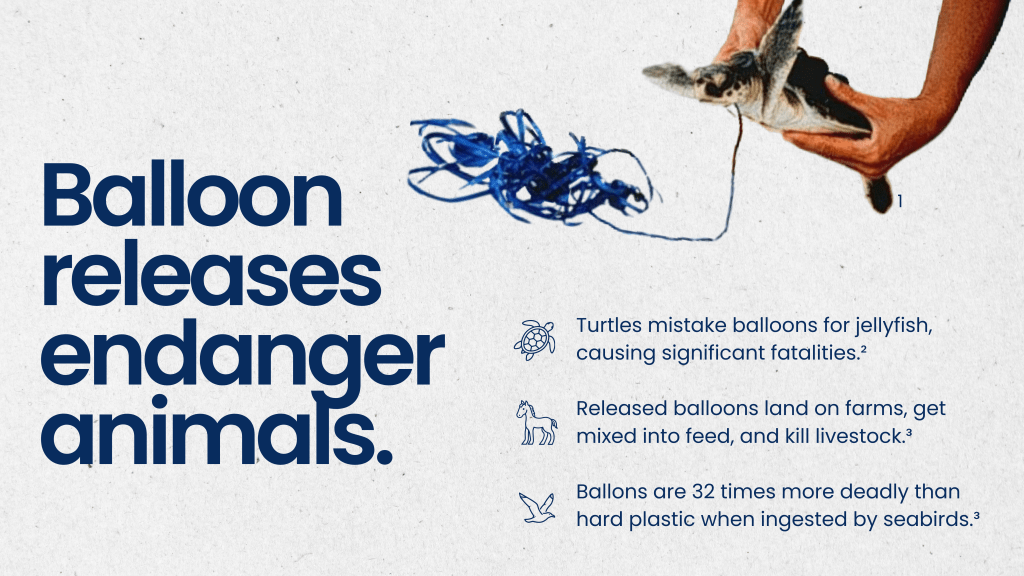
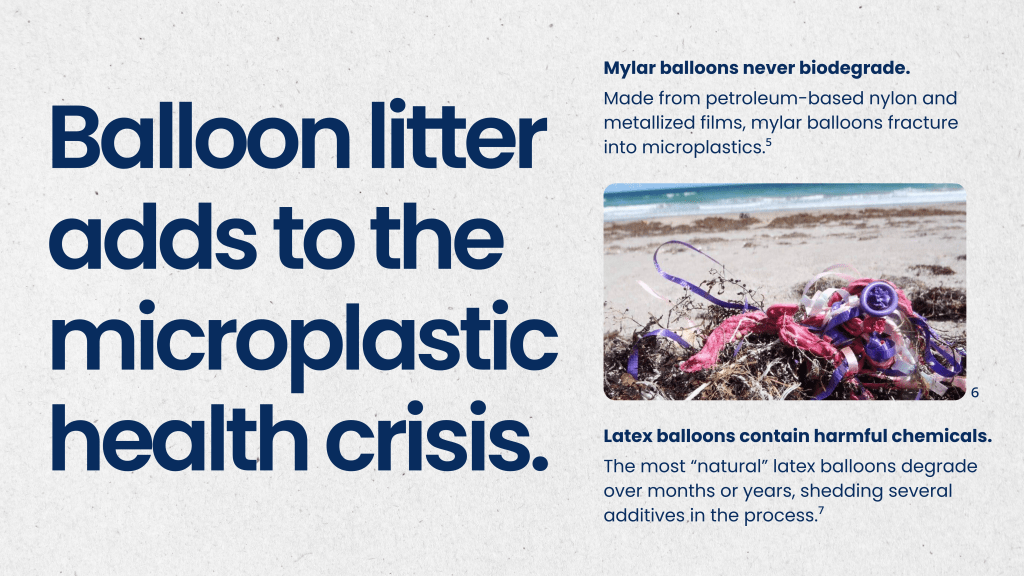
- Kemp’s ridley after ingesting a balloon. (2026). Balloons Blow; Mote Marine Laboratory. https://balloonsblow.org/photo-gallery/gallery/balloons-blow-gallery/
- Schuyler, Q., Hardesty, B. D., Wilcox, C., & Townsend, K. (2012). To Eat or Not to Eat? Debris Selectivity by Marine Turtles. PLoS ONE, 7(7), e40884. https://doi.org/10.1371/journal.pone.0040884
- Trapani, C., Register K., O’Hara, K., Huntington, Z. (2025). Littered Balloons in Virginia’s Coastal Environment: 2014 to 2024 monitoring results, Fisherman Island, Virginia. Clean Virginia Waterways, Virginia Beach, VA.
- University of Tasmania. “Balloons the number 1 marine debris risk of mortality for seabirds.” ScienceDaily. ScienceDaily, 1 March 2019. www.sciencedaily.com/releases/2019/03/190301084847.htm.
- Balloon Policy Toolkit. (2022, June 15). Surfrider Foundation. https://ee5-files.s3-us-west-2.amazonaws.com/publications/Balloon-Policy-Toolkit-061622-Final.pdf
- Balloon Pollution. (2026). Balloons Blow. https://balloonsblow.org/photo-gallery/gallery/balloons-blow-gallery-10/
- Lavers, J., & Gilmour, M. (2020, August 17). We composted “biodegradable” balloons. Here’s what we found after 16 weeks. The Conversation. https://theconversation.com/we-composted-biodegradable-balloons-heres-what-we-found-after-16-weeks-138731
- Legislation. (2025, September 1). Balloon Mission. https://balloonmission.org/legislation/
Partners








get involved
Youth Team
Passionate for the environment? Love to be outdoors? Join us!
North Carolinians ages 18-22 are encouraged to join NC Youth for Clear Skies and Seas to directly advance our mission. Team members assist by facilitating educational events, documenting balloon litter, creating outreach media, researching policies, and expanding our network.
No experience with policy work or environmental studies needed. Bring enthusiasm for teamwork, leadership, and our planet.

